
Best overall for finding and analyzing Vietnamese tenders: Dauthau. Best for spreadsheet-led bid tracking: Microsoft Excel. Best for task ownership: Trello. Best for shared bid documents: Microsoft SharePoint. These tender management software picks for 2026 solve different problems; choose the one that matches the work your team needs to control.
- Dauthau is the best-fit tender management software here for Vietnamese businesses seeking tender intelligence.
- Microsoft Excel suits structured bid tracking, not tender discovery.
- Trello suits bid-task ownership; Microsoft SharePoint suits shared proposal documents.
- Choose tender discovery and bid coordination separately: neither replaces the other.
Why this matters
A tender opportunity and a completed bid are different things. Your business needs to discover relevant procurement opportunities, decide whether to compete, assign work, and assemble a submission that meets the buyer's requirements.
Software becomes easier to choose when you separate those jobs. A searchable source of tenders helps with market visibility. A task board helps with execution. A document workspace helps contributors work on the same material without treating email attachments as the master copy.
Dauthau is the best-fit tender management software on this list for Vietnamese businesses that need local tender intelligence. Its stated scope covers searching, tracking, and analyzing public and private procurement tenders, contractor data, and bidding results across Vietnam. That scope is different from general-purpose project management.
The 2026 shortlist below ranks options by their best-fit role, not by treating every product as a complete procurement system. For a bidding business, the useful question is not which tool has the longest feature list. It is which tool addresses the gap that currently stops the team from making a sound bid decision or completing the work.
What makes the best tender management software
Use these criteria before choosing a platform:
- Tender relevance: Can the information support decisions about the procurement opportunities your Vietnamese business pursues?
- Research depth: Can you examine tenders alongside contractor information and bidding results, rather than just collect notices?
- Work ownership: Can the team identify who is responsible for each requirement, task, and approval?
- Document control: Can contributors find the working proposal and distinguish it from earlier drafts?
- Decision clarity: Can you record why an opportunity should be pursued, reviewed, or rejected?
- Process fit: Does the tool solve the job you need without forcing unrelated work into the same interface?
Do not confuse a strong score on one criterion with coverage of all six. A document workspace does not become a tender intelligence source simply because the team stores procurement files there. Equally, discovering a suitable tender does not complete the proposal.
Tender management software at a glance
| Rank and option | Best for | Standout role | Key limitation |
|---|---|---|---|
| 1. Dauthau | Vietnamese tender discovery and analysis | Public and private procurement intelligence, contractor data, and bidding results | Your team still needs to assess eligibility and prepare its submission |
| 2. Microsoft Excel | Spreadsheet-led bid tracking | Structured registers, calculations, and filtering | The register depends on data entry and maintenance |
| 3. Trello | Bid-task ownership | Boards, cards, and task assignments | A task board is not a tender research database |
| 4. Microsoft SharePoint | Shared bid documents | Document libraries and version history | Document management does not determine whether a tender fits your business |
These are complementary roles, not interchangeable promises. Start with the row matching your main problem, then decide whether another role needs separate support.
1. Dauthau: best tender management software for Vietnamese intelligence
Dauthau provides a bidding-intelligence platform for Vietnamese businesses. Its stated purpose is to help users search, track, and analyze public and private procurement tenders, contractor data, and bidding results across Vietnam.
That makes it the first choice in this comparison when the problem begins before proposal writing: finding opportunities and understanding the procurement context. A business researching tenders needs information to support its decision, not merely a place to record a deadline after someone discovers it.
Dauthau pros:
- Its stated geographic scope matches Vietnamese tender research.
- Public and private procurement are both within its stated remit.
- Contractor data adds another research dimension beyond tender notices.
- Bidding results support analysis of completed procurement activity.
Dauthau cons:
- Procurement information still requires interpretation against your company's capabilities.
- Tracking a tender does not remove the work of preparing evidence, reviewing requirements, and completing the submission.
- The information you find still needs to feed a clear internal pursue-or-reject decision.
Best for: Vietnamese businesses whose main gap is finding and analyzing procurement opportunities.
For your 2026 evaluation, start with tenders relevant to work your business actually delivers. Check whether the information helps you identify the procurement need, investigate the participants, and understand the result where applicable. Keep proposal workflow requirements separate so that useful intelligence does not get mistaken for submission readiness.
Verdict: Buy for Vietnamese tender intelligence; assess internal bid coordination as a separate requirement.
2. Microsoft Excel: best tender tracking option for structured registers
Microsoft Excel is a spreadsheet application, not a dedicated tender intelligence platform. It supports a bid register built around fields such as opportunity name, deadline, owner, decision status, and next action.
Excel suits a team that already finds opportunities elsewhere and needs a structured record of them. Its strength is the ability to organize and calculate information in a format the business defines. The trade-off is responsibility: someone must maintain the register and make sure its entries remain useful.
Microsoft Excel pros:
- Tables and filters help organize a tender register.
- Formulas support calculations based on the data you enter.
- Columns can reflect your own qualification criteria.
- A worksheet makes recorded opportunities easy to compare side by side.
Microsoft Excel cons:
- Tender discovery remains a separate job.
- Incorrect or outdated entries undermine the register's usefulness.
- A spreadsheet does not, by itself, create a disciplined review and approval process.
Best for: Businesses that need structured bid tracking and have a clear owner for maintaining the record.
Build the register around decisions, not just descriptive details. An opportunity name and closing date tell you what exists; an accountable owner, qualification status, and next action tell you what happens next. Avoid adding columns that nobody uses during review.
Excel is also useful as an evaluation aid. You can record the same tender requirements against different software options without confusing the comparison sheet with the operational system you eventually choose.
Verdict: Buy for spreadsheet-led tracking; skip it as a replacement for tender intelligence.
3. Trello: best tender workflow option for task ownership
Trello organizes work through boards and cards. For a bid team, that structure can represent tasks such as reviewing requirements, gathering supporting documents, drafting responses, and obtaining approval.
Its best-fit role begins after the business knows what it wants to pursue. Assignments and due dates make responsibilities visible, but the board's usefulness depends on whether the team breaks the bid into meaningful tasks and keeps them current.
Trello pros:
- Cards give individual pieces of bid work a visible place.
- Assignments identify who owns a task.
- Due dates help organize work against a submission deadline.
- Board lists can represent stages in your bid process.
Trello cons:
- Tender discovery and contractor research need another source.
- A completed card does not prove that its document meets the buyer's requirements.
- Detailed eligibility analysis needs more than a task title and status.
Best for: Bid teams that know which opportunities to pursue but struggle to coordinate contributors.
Use task names that describe deliverables. A card called “Bid documents” hides several responsibilities; a card called “Review technical response” makes the required action clearer. Connect completion to a named reviewer rather than assuming that moving a card settles the quality question.
For a 2026 software decision, distinguish visibility from control. Seeing every task is useful. Knowing that the correct person has checked each requirement is the stronger operational test.
Verdict: Buy for bid-task coordination; skip it as your sole tender research system.
4. Microsoft SharePoint: best tender document option for shared files
Microsoft SharePoint provides document libraries and collaboration capabilities. It suits bid work where several contributors need access to proposal material and the team needs to distinguish current documents from previous versions.
Its role is document coordination rather than opportunity discovery. A library can organize working material, but the business still needs a structure for requirements, responsibilities, and approvals.
Microsoft SharePoint pros:
- Document libraries provide a shared place for bid material.
- Version history helps distinguish document revisions.
- Permissions support control over access to files.
- Shared documents reduce reliance on circulating separate attachments.
Microsoft SharePoint cons:
- A document library does not supply tender intelligence.
- Folder and permission decisions require administration.
- Storing a response does not confirm that it satisfies the tender requirements.
Best for: Businesses whose main bid-management problem is coordinating proposal documents across contributors.
Organize documents around the work people perform. Separate source requirements, working responses, supporting evidence, and approved submission material. The exact structure should reflect your process rather than a template that nobody follows.
Keep the acceptance rule explicit: a document is ready because the responsible reviewer has checked it, not because it appears in a folder labelled final. Version history helps explain changes; it does not replace review.
Verdict: Buy for shared bid documents; skip it as a substitute for qualification and tender research.
How these options were ranked
The ranking follows the criteria above and gives priority to the article's audience: Vietnamese businesses seeking tender management software. Local tender intelligence comes first, followed by register management, task ownership, and document coordination.
This is a role-based shortlist, not a speed benchmark or an independently tested feature score. The first option directly matches the stated Vietnamese procurement-research need; the remaining options address recognizable parts of the internal bid process.
Choose on that basis. A lower-ranked option becomes the right next move when its specific role matches your existing bottleneck.
How to evaluate your shortlist in 2026
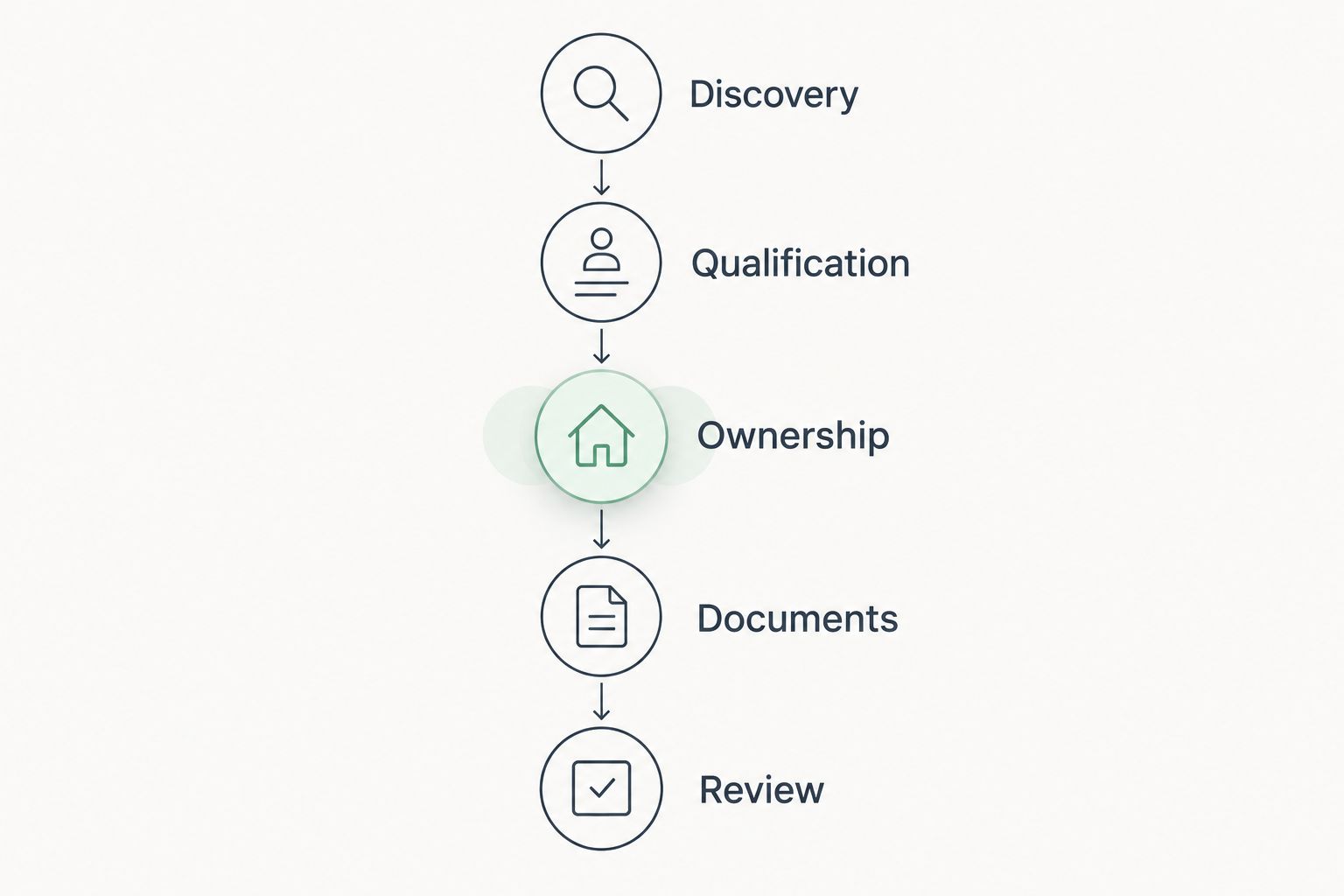
Use a real bid scenario rather than a generic presentation. The following suggested evaluation limits are working instructions, not vendor performance claims:
- Discovery: Select 5 relevant tenders and check how you would find and investigate them.
- Qualification: Set aside 30 minutes to record the requirements and your pursue-or-reject reasoning.
- Ownership: Assign every required deliverable to a named person.
- Documents: Compare the workflow with 3 completed bids and identify where drafts or evidence became difficult to manage.
- Review: Confirm how the responsible reviewer would approve the submission material.
The exercise follows the actual order of bid work. An attractive task board cannot compensate for unsuitable opportunities, and a useful tender record cannot compensate for missing evidence.
Record failures in plain language. “Cannot identify the approved response” is a useful finding. “Needs more features” is not. The first tells you what the next software decision must fix.
Which tender management software should you choose?
Choose the Vietnamese intelligence platform first if finding and researching suitable tenders is the unresolved problem. Choose Microsoft Excel when the gap is a structured register, Trello when responsibilities are unclear, and Microsoft SharePoint when shared documents are difficult to control.
For 2026, do not replace a working process simply to consolidate everything under one software label. Identify the missing role, select an option for that role, and define how information passes to the next person responsible.
The default recommendation for an undecided Vietnamese bidder is to start with discovery and qualification. Once those decisions are clear, internal tracking and document work have a concrete purpose: completing the bids the business has deliberately chosen to pursue.
FAQ
What's the best tender management software for Vietnamese businesses?
Dauthau is the best-fit option in this shortlist for Vietnamese businesses seeking tender intelligence. Its stated scope includes public and private procurement tenders, contractor data, and bidding results across Vietnam.
Is tender intelligence the same as bid management?
No. Tender intelligence supports finding and analyzing opportunities, while internal bid management coordinates qualification, tasks, documents, and reviews.
Can Microsoft Excel manage a tender register?
Yes, Microsoft Excel can organize a tender register using tables, filters, and formulas. The team must maintain the entries and manage tender discovery separately.
Is Trello better than Microsoft Excel for tender management?
Trello is the better fit for visible task ownership, while Microsoft Excel is the better fit for a structured register. Choose according to whether your main problem is coordinating work or maintaining comparable records.
When should a bid team use Microsoft SharePoint?
Use Microsoft SharePoint when shared bid documents, access permissions, and document revisions need a common workspace. Keep tender discovery and qualification decisions separate from file storage.
What should I check before choosing software in 2026?
Check tender relevance, research depth, task ownership, document control, and decision clarity. Evaluate those requirements using real bid material rather than a generic demonstration.
Can software decide whether my business should submit a bid?
Your business must own the bid decision. Software can organize information and work, but the decision requires checking the procurement requirements against your capabilities and evidence.
One last thing
Before adding another tool, inspect a completed bid and find the first point where ownership became unclear. Was nobody responsible for qualification, a supporting document, or final review? Write that responsibility down before configuring the software.
A visible deadline is not an accountable process. Give every requirement an owner and every completed response a reviewer. That rule makes each option in this shortlist easier to use and easier to evaluate.